Complete Solar Solutions

Discover the comprehensive steps to transitioning your home to clean, renewable solar power with industry-leading practices.
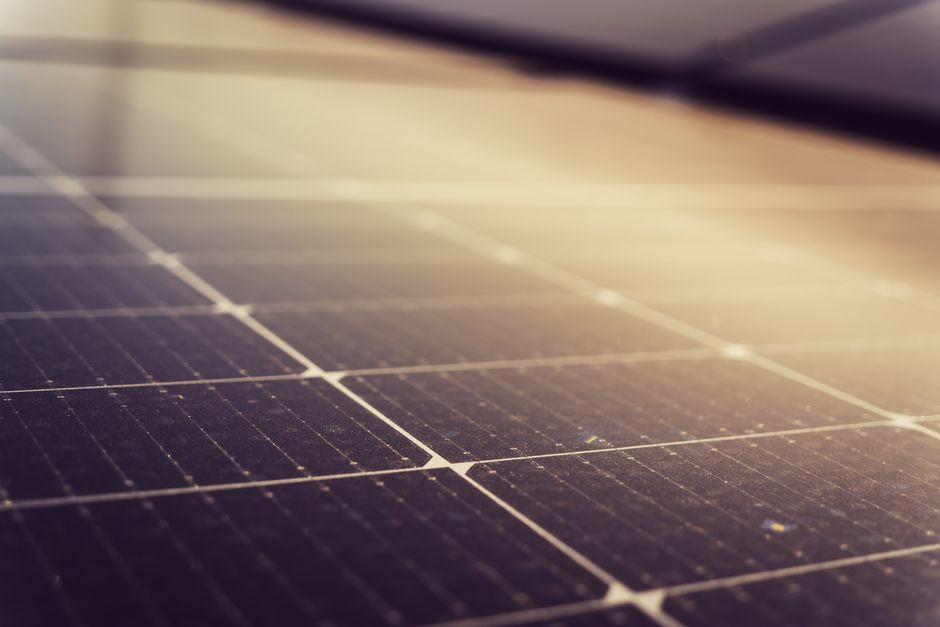
Close up view of residential solar panels

Custom Solar Engineering

Every roof is unique. The residential solar process begins with a comprehensive site assessment to design a photovoltaic layout optimized for your specific home architecture, maximizing daily energy capture.
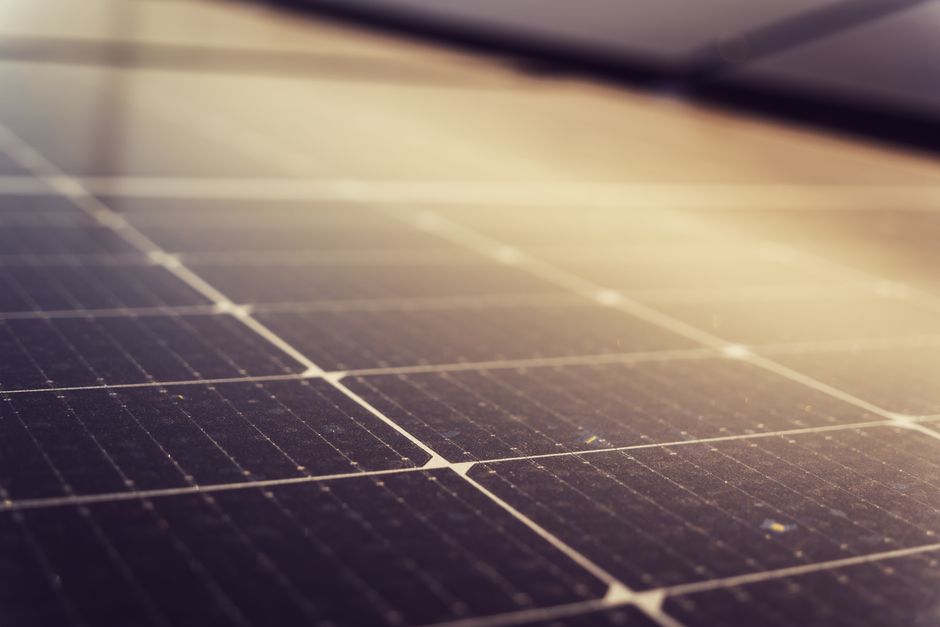
Sun shining brightly over freshly installed solar panels

Professional Solar Installation

Certified solar installation teams handle the seamless mounting and wiring of your solar panels. The focus is on aesthetic integration and structural integrity, ensuring your system performs flawlessly for decades.
Modern home battery storage unit connected to a solar system

Battery Storage Integration

Maximize the utility of your solar power by adding modern battery backup systems. Store excess energy generated during peak sunlight hours to power your home through the night or during grid outages.

Common Questions

Everything you need to know about switching to residential solar power.

What are the main benefits of residential solar?

Installing solar panels allows you to generate your own clean energy, significantly reducing your reliance on standard utility grids. This protects you against rising energy costs while notably lowering your household's carbon footprint.

How long does a solar installation take?

While the planning, permitting, and engineering phases can take several weeks to ensure everything is perfect, the actual physical solar installation on your roof typically only takes one to three days, depending on the system's size.

Will solar panels work on cloudy days?

Yes. Modern photovoltaic technology is highly efficient and can still capture diffused sunlight during cloudy or overcast conditions, continuing to generate solar power for your home, albeit at a slightly reduced rate compared to direct sunlight.

What exactly is photovoltaic technology?

Photovoltaic (PV) technology is the scientific method used by solar panels to convert sunlight directly into electricity. When photons from sunlight hit the solar cells on your roof, they knock electrons loose, creating an electrical current that powers your home.

Can I store my solar power for nighttime use?

Absolutely. By adding a battery storage system to your residential solar installation, you can bank the excess energy your panels produce during the day. This stored power can then be utilized at night or during unexpected grid outages.